
Animation Course After 12th: Diploma, Degree or Studio Program? An Honest Guide for Students and Parents
Monal Academy · Updated Invalid Date
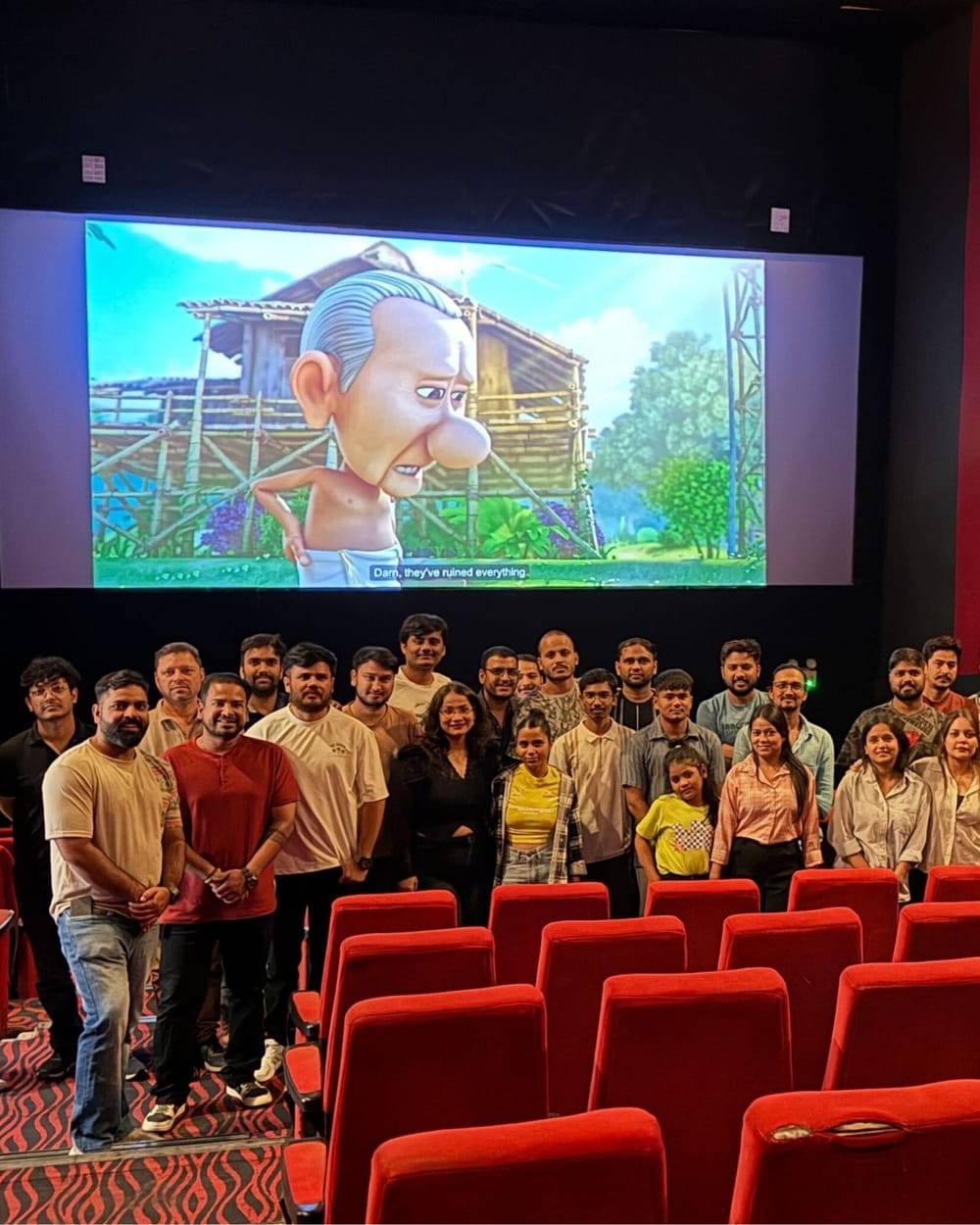
If you've just finished 12th and animation is on the list, you have three real routes in India: a three-year degree, a franchise-institute diploma, or a one-year studio-based program. They differ in time, cost, what you actually make, and — the thing that matters — what a studio looks at when you apply. This guide compares them plainly. Monal Academy runs the third kind, so read the comparison knowing that, and check it against what you see on a visit.
First, the one fact that decides everything
Animation studios hire on the showreel or portfolio, not the certificate. A recruiter opens your reel before your CV. A degree does not hurt, and a diploma does not help, unless the work attached to it is good. So the question for any course is: what will I have made by the end, and who reviewed it?
The three routes, side by side
| Degree (B.Sc / BA / B.Des in Animation) | Franchise diploma (software-institute chains) | Studio program (Monal Academy) | |
|---|---|---|---|
| Duration | 3 years (4 for B.Des) | 12–30 months, often part-time | 12 months, full-time |
| Who teaches | College faculty; industry exposure varies by college | Centre trainers on a franchise syllabus | Working artists on the studio's own productions |
| What you work on | Assignments and a final-year project | Syllabus exercises and a portfolio project | Live production briefs from month 10; weekly reviewed briefs before that |
| What you leave with | Degree + project | Certificate + portfolio | Portfolio/showreel reviewed to shipping standard |
| Eligibility | 12th pass; some colleges require entrance tests | 10th or 12th pass | 12th pass, any stream; graduates and career-switchers too |
| Where | Mostly cities; a few in Uttarakhand (e.g. Dehradun) | Most towns, including Haldwani | Haldwani, inside Monal Digital's studio |
| Best for | Students who want a degree for its own sake, or plan to teach or study further | Students who need part-time or want a software-first course | Students who want the fastest route to a job-ready reel and can commit a full year |
| Watch out for | Curricula that lag the industry; little production experience | Placement claims — ask to speak to placed students; software taught without production context | It's full-time and demanding; no online or weekend option |
Which stream do I need?
Any. Arts, science and commerce students all join animation courses. Drawing ability helps in 2D and illustration; logic helps in rigging and VFX; neither is required to start. What matters is whether you enjoy doing it for hours.
The ten questions to ask any institute
Take this list on your visit. If they dodge more than two, keep looking.
- 01Who will actually teach me, and what have they worked on in the last twelve months?
- 02Can I see the portfolios of the last batch?
- 03Can I speak to two students who finished and are working now?
- 04What will I have made by month 3, month 6, month 12?
- 05Is the software taught the version studios use today?
- 06How many hours a week are hands-on?
- 07What is the total fee, including software, exams and "portfolio" charges?
- 08If you mention placement, what exactly does the number mean and who counts it?
- 09Can I sit in on a class or a review before I enrol?
- 10What happens if I'm not good enough by month 6?
What the year looks like at Monal Academy
For comparison, here is the structure of the one-year programs here, so you can hold it against whatever else you see:
- Months 1–3, Foundations. Everyone starts from zero. Fundamentals of the craft, the software, and daily drills.
- Months 4–9, Specialisation. Weekly briefs and reviews of escalating difficulty, reviewed the way the studio reviews its own shots.
- Months 10–12, Studio Floor. Live production briefs. What you make is your showreel.
Ten programs across three tracks — Art & Story, Animation & CG, and Marketing & Growth — all one year, full-time, on campus in Haldwani, with no experience assumed.
For parents: the questions you're actually asking
Is animation a real career? India's animation, VFX and post-production segment was Rs 105 billion in 2025 and is projected to reach Rs 138 billion by 2028, per the FICCI-EY 2026 report. It is also cyclical: the same report notes studio closures in 2025 that displaced artists in Bengaluru and Mumbai. It is a real industry with real jobs and real downturns, like any other.
Will my child have to move to Mumbai or Bangalore? For some roles, eventually, maybe. But 2D series work, editing, YouTube and social media roles are increasingly remote, and Monal Digital itself is a ~40-person studio in Haldwani. Staying in Uttarakhand is a realistic option now in a way it wasn't ten years ago.
What does it cost? Fees vary widely. Degrees run three years of college fees; franchise diplomas price by module; Monal Academy explains fees and instalment plans in person or on a call before you commit. Ask every institute for the total figure.
Is a one-year course enough? For a first job, yes, if the year produces a reel a studio will watch. Many working animators have no degree; almost none have no reel.
Next step
Visit. Bring this guide and the ten questions. Walk the floor at Monal Academy, then walk the floor anywhere else you're considering, and compare what you saw.
See the 1-year programs** · How admissions work · WhatsApp: +91 82006 96551
Sources: FICCI-EY Media & Entertainment Report 2026, as reported by AnimationXpress. Course-structure claims about other institutes are general descriptions of route types, not statements about any particular institute's current offering; verify on their sites.